


Protecting Wool Rugs from Desert Dust in St. George Homes
Learn how Southern Utah's fine desert dust causes hidden abrasive wear inside wool rug fibers, along with practical daily habits and gentle vacuuming techniques to protect your rugs.

When it comes to protecting wool rugs from desert dust, homeowners across St. George and Southern Utah face an environmental challenge distinct from almost any other region. Our sweeping red rock landscapes, warm desert breezes, and sunny climate bring beauty to daily life, but they also bring a steady stream of fine mineral dust. Whether carried indoors on hiking footwear, drifted through open patio doors during a pleasant autumn afternoon, or tracked in by pets, fine desert soil settles quickly into home textiles.
Wool area rugs are often the centerpiece of Southern Utah living rooms and dining spaces. Prized for their natural resilience, softness underfoot, and enduring artistry, quality wool rugs can last for decades when properly cared for. However, our arid desert climate creates specific conditions that make wool rugs vulnerable to premature fiber wear if dust accumulation goes unchecked.
Understanding how desert soil behaves once it enters your rug is the first step toward safeguarding your investment. By adopting practical daily habits, using gentle vacuuming techniques, and knowing when professional facility washing is needed, you can keep your wool rugs vibrant and structurally sound for years to come.
To understand why local dust harms wool textiles, it helps to examine Southern Utah soil. Unlike soft, organic garden soil found in humid regions, our local dust consists largely of pulverized quartz, red sandstone, clay, and crystalline minerals. Under magnification, these tiny particles resemble microscopic shards of glass with sharp, jagged edges.
When fine desert silt settles onto a rug, it does not remain on the surface. Because wool pile flexes naturally with daily foot traffic, fine mineral particles filter downward. Over weeks and months, grit migrates past the yarn tips and packs tightly against the rug’s foundation—the woven warp and weft cords that provide structural strength.
Once settled at the base, this mineral grit creates an abrasive sandpaper effect. Every step presses sharp quartz grains directly against delicate wool fibers, gradually sawing through fiber cuticles and causing yarns to fray and thin. Long before a rug looks visibly dirty on the surface, pounds of hidden desert silt may already be grinding away at its foundation.
Wool is an extraordinary natural fiber. Each strand is coated with natural lanolin and microscopic scales that repel light spills and resist surface soiling. Wool also has natural crimp and elasticity, allowing it to recover after being compressed underfoot.
However, wool is hygroscopic, meaning it continuously balances its moisture with the surrounding air. In Southern Utah’s dry atmosphere, indoor humidity levels drop significantly during summer air conditioning and winter heating cycles. As wool fibers lose moisture, they become less flexible and more prone to snapping under stress.
When brittle wool fibers endure the grinding action of trapped mineral sand, fiber wear accelerates. Furthermore, because wool’s dense fiber structure conceals astonishing amounts of dry soil without appearing dingy, homeowners often assume their rug is clean simply because its colors remain bright. In reality, a heavy wool rug can hold several pounds of dry desert dust deep within its knots before showing discoloration.
Preventing soil accumulation is far more effective than trying to extract deeply packed sand after damage has occurred. A few practical defensive measures can drastically reduce the grit entering your home:
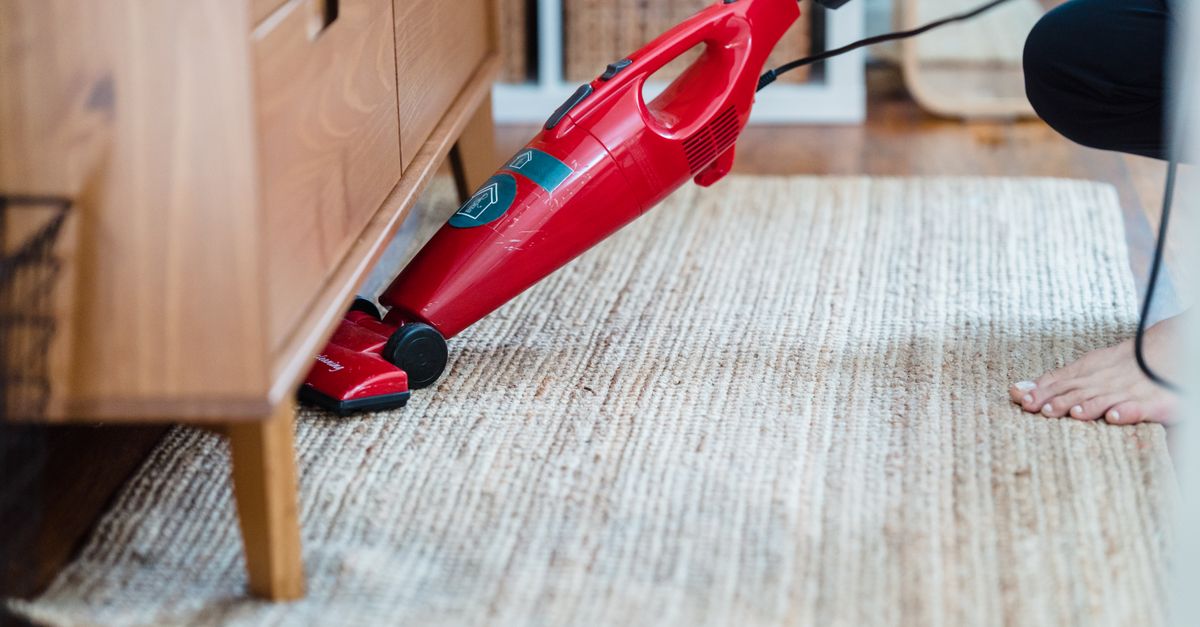
Vacuuming is your primary home defense against desert dust, but incorrect technique can damage delicate wool yarns. Many upright vacuums feature aggressive motorized beater bars designed for synthetic carpets, which can pull and fuzz wool pile. Follow these gentle vacuuming rules:
When wool rugs begin looking dusty, well-intentioned DIY efforts often cause unintended harm. Avoiding these common mistakes protects your rug’s condition and longevity:
While home vacuuming manages surface dust, fine desert grit eventually settles deep into foundation knots where home vacuums cannot reach. Valuable wool, Persian, and Oriental rugs require periodic washing in a specialized rug care facility.
Professional facility washing differs substantially from in-home carpet cleaning through a specialized, multi-step process:
In Southern Utah, wool rugs in active living rooms and hallways typically benefit from professional washing every 12 to 18 months. Rugs in low-traffic bedrooms or formal dining rooms can often go two to three years between facility cleanings, provided regular home care is maintained.
A quality wool rug brings warmth, comfort, and timeless character to a Southern Utah home. While our arid desert climate and fine red soil present genuine maintenance challenges, protecting wool rugs from desert dust is entirely achievable with informed care.
By establishing protective entryway barriers, using suction-only vacuuming, and avoiding aggressive chemical spotters, you can prevent everyday grit from cutting into delicate wool fibers. When your rug is ready for deep rejuvenation, entrusting it to an experienced local rug care specialist ensures embedded desert silt is completely removed, preserving its soft feel, vibrant colors, and lasting strength.