
Free Porch Pickups 🚪
Call us:
(435) 220-3784

Desert Dust Rug Care in St. George: How Sand Silently Damages Area Rugs

Learn how Southern Utah’s abrasive red sand and fine mineral dust wear down rug fibers from within, along with practical dry maintenance tips to protect your area rugs.

Desert Dust Rug Care in St. George: How Sand Silently Damages Area Rugs

Living in Southern Utah offers breathtaking red rock landscapes and year-round sunshine, but it also introduces a persistent environmental challenge into local homes: fine red sand and airborne mineral dust. For homeowners who cherish quality interior decor, understanding proper desert dust rug care in St George is essential for protecting valuable woven textiles. Unlike ordinary household dust, desert soil consists of microscopic, angular rock granules. When tracked inside, these sharp particles settle deep past the surface fibers, acting as an invisible abrasive that slowly grinds through foundation yarns with every step. Protecting your area rugs requires recognizing how desert grit behaves inside rug foundations and implementing practical maintenance habits that truly work.

Why Desert Soil Acts Like Microscopic Sandpaper on Rug Fibers

The soil across St. George and surrounding Southern Utah communities contains high concentrations of quartz, silica, and iron oxide. These fine mineral particles are significantly heavier, denser, and sharper than standard organic dust. When wind storms carry dust through open doorways or family members track red dirt indoors, the particles do not merely sit atop the pile. Because of their weight and size, foot traffic pushes these microscopic grains straight down to the base of the rug—the warp and weft foundation threads.

Once settled into the foundation, every step compresses the rug pile against these sharp rock edges. Over time, the repeated friction causes micro-abrasions along individual wool, cotton, or synthetic fibers. What initially looks like normal shedding or mild color dullness is actually structural fiber wear. Left unaddressed, abrasive sand can sever foundation knots and warp strands, leading to premature pile loss, bare patches, and brittle foundations that cannot easily be repaired.

Warning Signs That Grit Is Accumulating in Your Rug Foundation

Because desert soil settles into the deepest layers of a rug, a rug can appear clean on top while concealing pounds of abrasive grit inside its foundation. Here are several reliable signs that indicate your rug has accumulated dangerous levels of dry desert soil:

  • The Bend Test: Gently fold a corner or section of the rug backward over your fingers to spread the pile. If you see a dense haze of fine red dust or feel gritty particles sitting near the foundation knots, the rug is heavily packed with dry soil.
  • The Palm Friction Test: Rub your bare palm firmly across the rug pile in a circular motion. If your hand comes away with a chalky or reddish powdery residue, fine grit is actively working its way through the fiber shafts.
  • Dust Beneath the Rug Pad: Lift a corner of the rug and check the flooring directly beneath the rug pad. Finding a fine layer of sand or reddish powder on your tile or hardwood means soil has sifted entirely through the rug's structural weave.
  • Muted, Hazed Colors: A fine layer of microscopic mineral dust acts like a dull filter over natural dyes, causing vibrant jewel tones, rich indigos, and warm terracotta hues to appear gray and faded.
  • Stiffening Pile: As dry dust packs tightly around foundation knots, the rug loses its natural suppleness and begins to feel unusually rigid underfoot.

Practical Desert Dust Rug Care in St George for Busy Households

Maintaining area rugs in an arid desert climate requires a consistent, proactive approach to dry soil management. Because preventing deep grit accumulation is far easier than repairing worn fibers, routine maintenance is the foundation of desert dust rug care in St George homes.

1. Vacuuming Techniques That Lift Fine Sand Without Harming Fibers

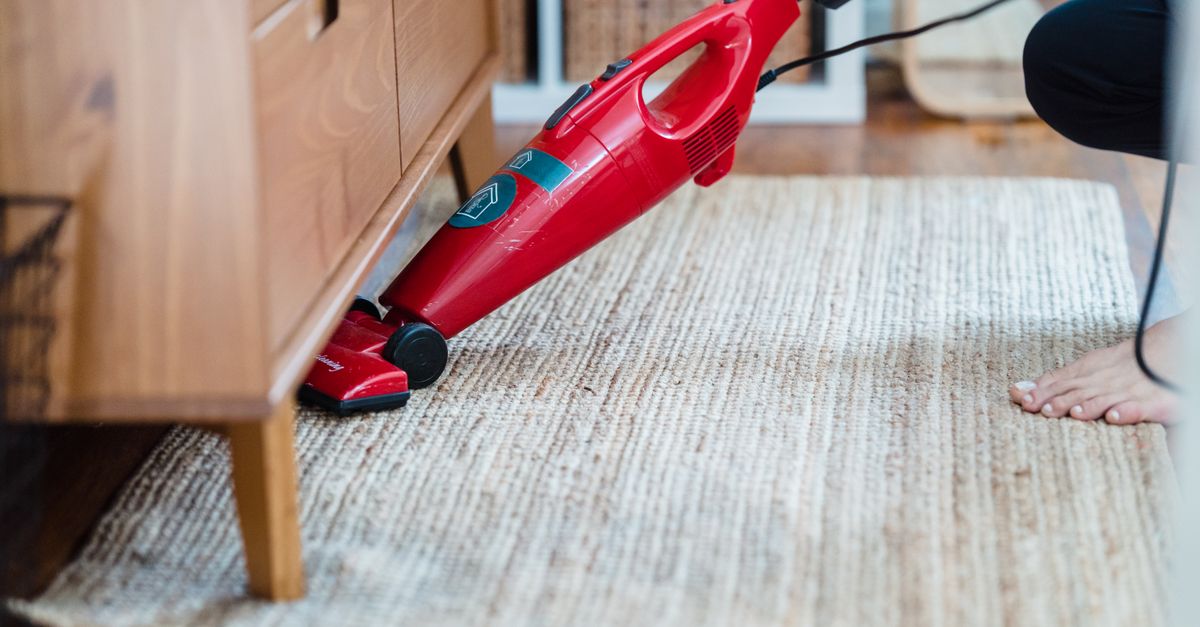
Regular vacuuming is your first line of defense, but the technique you use is just as important as the frequency:

  • Select the Right Attachment: For hand-knotted wool, Persian, Oriental, and delicate vintage rugs, avoid aggressive rotating beater bars. High-speed brushes can pull delicate wool yarns, fray hand-wrapped edges, and damage fragile pile. Use suction-only mode or a dedicated horsehair floor brush attachment instead.
  • Use Slow, Overlapping Strokes: Quick sweeps only pick up lightweight surface fuzz. Dense mineral sand requires slow, deliberate vacuum strokes that allow airflow to lift heavy particles upward out of the pile.
  • Vacuum the Back of Sturdy Rugs Periodically: For sturdy hand-knotted wool rugs, flip the rug upside down once or twice a year. Gently vacuum the back using a brush attachment. The vibration helps dislodge deeply seated sand from the base onto the hard floor beneath, where it can easily be swept away before turning the rug right side up.
  • Avoid the Fringe Completely: Never run vacuum rollers or high-suction heads over rug fringe. Fringes represent the exposed warp threads of the rug foundation; vacuum rollers can instantly pull, tangle, or tear them. Always vacuum across the width of the rug, stopping several inches before the fringe border.

2. Establishing Strategic Entryway Soil Barriers

Preventing soil from entering your living spaces in the first place significantly extends the lifespan of your interior rugs:

  • Outdoor Scraper Mats: Place heavy-duty, weather-resistant scraper mats outside every exterior entrance to capture coarse gravel, mud, and heavy debris.
  • Indoor Walk-Off Mats: Position washable, absorbent runner rugs just inside doors to trap the fine red dust that exterior mats miss before it spreads to main living areas.
  • Encourage a Shoe-Free Home: Asking family members and guests to leave outdoor footwear at the door eliminates up to 85% of tracked-in abrasive soil before it ever touches your primary area rugs.

3. Managing Southern Utah Wind and Dust Events

Seasonal gusts and dry desert breezes frequently carry fine airborne sand against windows and under exterior door seals. Keep windows closed during high-wind advisories, inspect weatherstripping around exterior doors, and run a gentle vacuum pass over entryway rugs following notable dust storms before heavy foot traffic pushes the fresh dust into the foundation.

Common Mistakes When Cleaning Dusty Desert Rugs

When homeowners notice accumulated dust, several common DIY reactions can inadvertently accelerate fiber damage:

  • Applying Liquid Cleaners to a Dusty Rug: Never spray water, spot cleaners, or rented carpet shampoo directly onto a rug that contains dry desert sand. Liquid mixes with dry silica to form an abrasive paste that locks into the foundation fibers, causing severe fiber stiffening, dye bleeding, and rapid re-soiling. Dry soil must always be completely extracted before any washing begins.
  • Beating Rugs Violently Over Railings: While controlled dusting is effective, violently slapping an antique or heavy wool rug over a sharp railing can snap dry warp yarns and fracture fragile foundation knots.
  • Using In-Home Steam Cleaners: Steam machines push hot moisture and high pressure into dense rug foundations, which can cause natural wool shrinkage, dye migration, and trap moisture deep inside the foundation.

When to Choose Professional In-Plant Dusting and Washing

While routine vacuuming manages surface soil, fine desert sand inevitably packs into dense rug foundations over time. Standard residential vacuums lack the specialized mechanical action needed to extract deeply embedded particulate matter. When a rug begins to feel stiff or show persistent dust accumulation, professional facility cleaning is the safest solution.

In a specialized rug care facility, rugs undergo dedicated harmonic vibration and compressed-air dusting before encountering any moisture. This step gently shakes out pounds of trapped sand and fine grit without stressing delicate fibers. Once the abrasive dry soil is thoroughly removed, rugs receive customized submersion washing and temperature-controlled drying tailored specifically to their fiber type and dye stability.

Preserving Your Southern Utah Rugs for Decades to Come

Fine area rugs bring elegance, warmth, and character to Southern Utah homes. While our dry climate and fine red soil present unique maintenance demands, consistent vacuuming and good entryway habits will protect your textiles from premature wear. When you need specialized desert dust rug care in St George, professional in-plant cleaning provides the deep dust extraction your fine rugs need to stay beautiful and vibrant for generations.

If your area rugs are feeling gritty underfoot, looking dulled by fine red dust, or ready for seasonal maintenance, St George Rug Cleaning provides gentle, thorough in-plant cleaning designed to protect delicate fibers from abrasive desert wear.

Tips
September 22, 2026

Wool Rug Care in St. George: Protecting Natural Fibers in a Desert Climate

Tips
September 9, 2026

How to Prevent Area Rug Fading in St. George Homes

Tips
August 25, 2026

How to Manage Fine Desert Dust in Area Rugs in St. George Homes

Tips
August 18, 2026

How Fine Desert Dust and Red Rock Soil Damage Area Rugs in St. George Homes

Tips
August 11, 2026

How to Prevent Area Rug Fading in St. George Homes

Tips
June 18, 2025

Rug repair vs restoration: Understanding your options

Tips
June 18, 2025

Essential do's and don’ts for rug owners

Tips
June 18, 2025

The hidden benefit of professional rug padding