Wool Rug Care in St. George: Protecting Natural Fibers in a Desert Climate
Wool area rugs bring warmth, texture, and lasting craftsmanship into Southern Utah homes. Whether anchoring a living room in Green Valley, accenting a tiled dining space in Bloomington, or adding comfort to a home in Little Valley, a quality wool rug is designed to last for generations. However, living in the desert presents a unique set of environmental conditions that can take a quiet toll on natural fibers. Between high UV exposure, persistent red rock dust, and exceptionally low indoor humidity, maintaining a wool rug in our region requires specific attention.
Understanding effective wool rug care in St. George requires an appreciation of how natural fibers interact with our local climate. Wool is naturally resilient, fire-resistant, and inherently repels light spills thanks to the lanolin coating on its fibers. Yet when fine desert soil and arid conditions combine, even the sturdiest wool rugs can lose their luster and suppleness prematurely. With a thoughtful care routine and realistic preventative habits, homeowners can easily protect their investment and keep their wool rugs feeling soft and looking vibrant year after year.
How Southern Utah's Arid Climate Impacts Wool Fibers
To care for wool effectively, it helps to understand how the fiber behaves in a desert environment. Wool is a hygroscopic natural protein fiber, meaning it naturally absorbs and releases atmospheric moisture to stay pliable. In regions with moderate humidity, wool maintains an optimal internal moisture balance effortlessly. In Southern Utah, however, prolonged dry spells, relentless summer heat, and indoor air conditioning create very low indoor humidity levels.
When wool dries out completely, the natural crimp and elasticity of the fiber become slightly more brittle. While wool remains one of the toughest rug materials available, dry fibers are inherently more susceptible to mechanical friction. If heavy foot traffic is introduced while fibers are dry, the wool cannot flex quite as smoothly as it would under optimal conditions. Maintaining moderate indoor humidity when possible and keeping the fibers clean is the best way to safeguard against premature fiber breakage.
The Hidden Threat of Desert Dust and Red Soil
Beyond low humidity, the most significant everyday challenge for area rugs in St. George is tracked-in desert soil. The vivid red sand and fine silt characteristic of Washington County are rich in quartz and silica minerals. These microscopic particles are not soft like organic household dust; they have sharp, angular edges that behave like miniature abrasive blades.
Because wool rugs have a thick, dense pile, fine desert dust naturally filters down past the surface and settles deep into the rug foundation and knot collars. Surface vacuuming often misses this underlying layer of soil. As household members and pets walk across the rug, the pile bends, causing those sharp silica granules to grind directly against the base of the wool yarns. Over months and years, this abrasive action gradually cuts microscopic wool filaments from the bottom up, leading to fiber shedding, thinning spots, and eventual structural weakening.
Essential Steps for Everyday Wool Rug Care in St. George
Routine care does not require complicated equipment, but it does demand consistency and gentle methods tailored to wool's unique construction. Implementing a few reliable maintenance habits will keep fine dust from settling deep into the weave.
1. Switch to Suction-Only Vacuuming
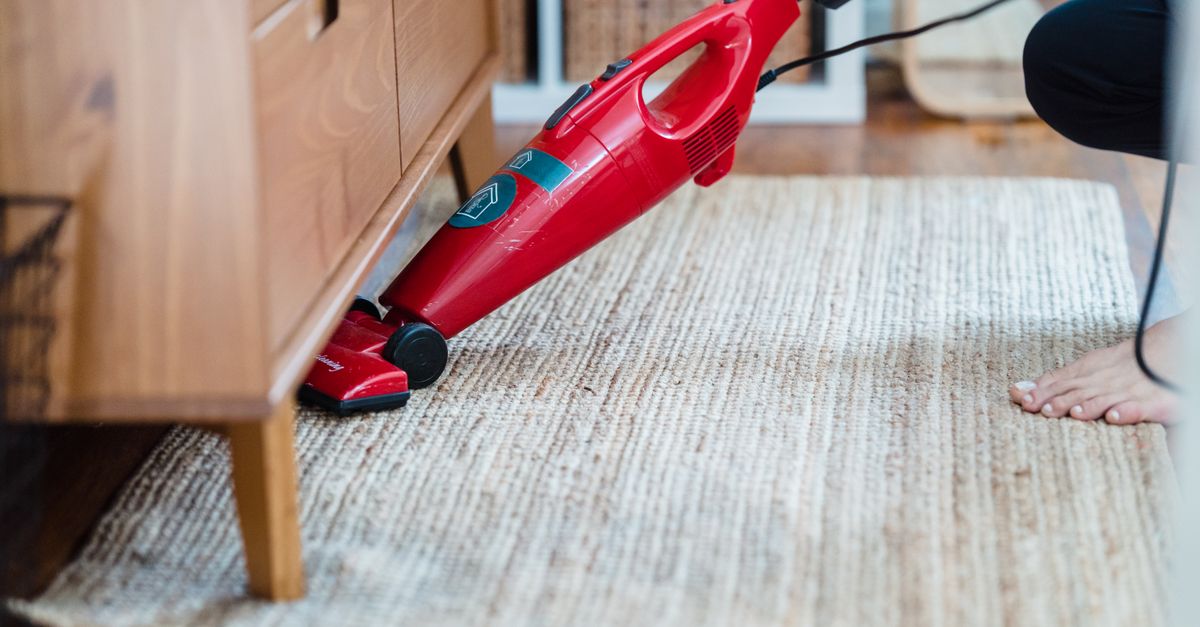
While an aggressive motorized beater bar may be suitable for synthetic wall-to-wall carpeting, it is one of the most common causes of accidental damage to wool area rugs. A rotating brush bar can pull, snag, and shred delicate wool fibers, causing excessive fuzzing and surface pilings. More critically, if a beater bar catches the hand-tied fringe along the edges, it can unravel the rug's structural foundation in seconds.
For routine maintenance, use a canister vacuum with a bare-floor tool, or switch an upright vacuum to a suction-only setting. Vacuum in the direction of the pile rather than pushing against the natural lay of the wool. For homes near open desert or active construction, vacuuming high-traffic areas once or twice a week keeps sharp grit from migrating downward.
2. Vacuum the Reverse Side Periodically
A simple yet effective technique for loosening deeply lodged soil is back-side vacuuming. Every few months, roll back the edges of your rug and flip it face down onto a clean, hard floor. Run your vacuum across the woven back using gentle suction. The vibration helps dislodge stubborn sand particles out of the foundation knots, dropping them directly onto the floor beneath. Once finished, roll the rug aside, sweep up the grit, and reposition the rug over its pad.
3. Rotate Your Rug Regularly
In open-concept Southern Utah homes, foot traffic paths are often fixed between doorways, hallways, and living spaces. Rotating your wool rug 180 degrees every six to twelve months ensures that wear patterns are evenly distributed. Regular rotation also helps mitigate uneven exposure to natural light entering through large windows.
4. Invest in a Dense, Breathable Rug Pad
A proper rug pad serves multiple purposes beyond preventing slippage on hardwood, tile, or polished concrete. A dense felt pad acts as a shock absorber, cushioning the impact of footsteps and reducing the pressure exerted on wool knots. Additionally, quality padding allows air circulation beneath the rug, preventing dust and moisture from becoming trapped between the foundation and the hard flooring.
Managing Sunlight and Heat Exposure
Southern Utah is celebrated for its abundant sunshine, but strong UV rays passing through large windows can be harsh on dyed wool. Over time, prolonged sun exposure can cause natural and chrome dyes to fade unevenly, especially on reds, blues, and golds.
To minimize sun damage without living in the dark, consider the following preventative measures:
- Use UV-filtering window treatments: Low-E glass, solar screens, or quality window tinting can dramatically reduce harmful UV radiation while preserving natural desert views.
- Draw sheer curtains during peak hours: Diffusing harsh midday sunlight significantly slows the oxidation of natural rug dyes.
- Shift furniture slightly: If a portion of your rug sits in direct sunlight while the rest is shaded by a sofa or coffee table, rotating the rug helps maintain uniform color across the entire surface.
Safe Spill Response and First-Aid for Wool Rugs
Spills happen in every busy home, but how you react within the first two minutes determines whether a spill becomes a permanent stain. Because wool fibers are coated with natural lanolin oils, liquids tend to bead on the surface momentarily rather than soaking immediately into the core.
Follow these safe first-aid guidelines:
- Blot immediately: Place a clean, dry, undyed white cotton towel or paper towel directly over the spill and apply firm, downward pressure. Continue blotting with fresh sections of the towel until no more liquid transfers.
- Never scrub or rub: Rubbing spreads the liquid outward, pushes the pigment deeper into the pile, and disrupts the natural twist of the wool yarns, resulting in permanent pile distortion.
- Use cool water sparingly: If needed, moisten a clean towel with a small amount of cool water and gently press it against the area. Avoid saturating the rug, as excess moisture can penetrate the backing and cause dye migration or foundation mildew.
- Avoid harsh chemical spot removers: Off-the-shelf carpet sprays frequently contain high-pH detergents, bleaching agents, or optical brighteners that can chemically strip wool dyes or leave sticky residues that attract dark soil.
When to Schedule Professional Rug Washing
While routine vacuuming and gentle spot blotting handle day-to-day upkeep, they cannot remove the deeply embedded grit, compacted dust, and body oils that accumulate over time. Professional in-plant washing is fundamentally different from in-home carpet cleaning. In-home wand extraction cannot flush out trapped desert sand and can leave natural fibers overly wet, which risks mold, dye bleeding, and backing shrinkage.
A true professional rug care specialist uses dedicated equipment to safely dust, submerge, gently wash, rinse, and climate-dry wool rugs. The critical initial step—dry soil dusting—often removes pounds of fine sand before a single drop of water touches the rug. For most Southern Utah homes, scheduling a thorough professional wash every 12 to 18 months preserves the soft texture, rich colors, and structural durability of fine wool.
Practicing proactive wool rug care in St. George ensures that your valuable home furnishings withstand the desert elements with elegance. If your wool rug has accumulated desert dust, suffered an accidental pet spill, or simply lost its fresh feel, reaching out to St George Rug Cleaning for specialized area rug care provides the thorough, fiber-safe treatment your textiles deserve.