Protecting Area Rugs from Desert Dust in St. George Homes
Living in Southern Utah offers undeniable beauty, from red sandstone formations to bright desert landscapes. However, the same arid environment that creates breathtaking scenery also introduces unique home maintenance challenges. Among the most persistent of these is the fine mineral soil that continually settles across the region. For local homeowners, protecting area rugs from desert dust is not merely about keeping floors looking tidy; it is a vital preservation practice. Without attentive care, fine desert grit and daily foot traffic work together to compromise the fibers, rich colors, and structural lifespan of cherished area rugs.
Area rugs serve as central design elements in Southern Utah homes, providing warmth, texture, and acoustic comfort over hard tile or hardwood floors. Whether a room features an antique Persian heirloom, a contemporary wool rug, or a flatwoven runner in a high-traffic hallway, desert soil presents a distinct threat that standard indoor dust does not. Understanding how desert particles interact with textile fibers empowers rug owners to implement gentle, practical maintenance habits that protect their investments.
The Hidden Mechanics of Desert Dust Abrasion
To understand why desert dust poses such a serious hazard, it helps to examine what Southern Utah soil actually contains. Unlike the soft lint and fabric fibers that comprise typical household dust, desert soil consists largely of pulverized mineral rock, crystalline quartz, and fine silica. Under magnification, these tiny granules have sharp, jagged edges that behave much like microscopic sandpaper.
When wind carries fine soil through entryways, or when family members and pets track it indoors, these heavy granules quickly migrate downward. As people walk across a rug, downward pressure forces fine silica past the pile surface and deep into the foundation. Once settled against the backing, every subsequent footstep causes friction. The sharp edges of the sand grind directly against the base of wool or silk yarns, gradually wearing through the fibers. Over time, this mechanical abrasion weakens the foundation, causes unexplained pile shedding, and produces permanent wear paths that cannot be reversed.
How Different Rug Fibers React to Southern Utah Grit
Not all rug materials respond to desert soil in the same way. The construction and fiber type of your rug determine both its vulnerability to abrasion and the care needed to maintain it.
- Wool Area Rugs: Wool fibers are naturally durable and elastic, but fine desert sand easily lodges between the microscopic scales of the wool cuticle. As foot traffic presses the sand deeper, trapped silica grinds away at fiber shafts, dulling the rug's natural luster and creating fuzzy or matted surface textures.
- Silk and Antique Textiles: Silk fibers offer remarkable tensile strength but have very fine diameters. When sharp desert grit penetrates an antique or fine silk weave, it can sever individual filaments rapidly. Silk rugs should always be kept away from exterior entryways and high-traffic zones in desert climates.
- Cotton Foundations: Many hand-knotted Oriental rugs utilize cotton warp and weft yarns for their structural foundation. When fine sand packs into this framework, it abrades structural yarns. Furthermore, accumulated mineral dust can retain residual moisture from spills, increasing the risk of fiber brittleness.
- Synthetic Rugs: Synthetic fibers such as polypropylene and nylon are durable, yet their surfaces are susceptible to micro-scratching from sharp silica grains. These microscopic scratches alter how light reflects across the pile, creating cloudy, discolored traffic lanes that regular surface vacuuming cannot restore.
Practical Strategies for Protecting Area Rugs from Desert Dust
Preventing soil from entering your home is far easier than removing compacted grit after it has settled deep into a weave. Implementing a few practical household habits can significantly reduce the volume of desert particles reaching your rugs.
A multi-mat entryway system provides the first line of defense. Place a coarse, weather-resistant scraper mat outside exterior doors to catch heavy soil from shoe treads. Directly inside, place a washable walk-off mat to trap finer residue. Encouraging family members and guests to remove outdoor shoes at the door eliminates a substantial portion of the abrasive grit that would otherwise settle into your main living spaces.
Airborne dust management is equally beneficial, particularly during breezy afternoons. Southern Utah frequently experiences wind gusts that carry fine desert silt. Keeping windows closed during wind advisories and replacing HVAC filters regularly helps keep airborne dust from settling onto floor coverings. In rooms with ceiling fans, running them on gentle speeds prevents heavy downward air currents from pushing settled dust deeper into textile fibers.
Using a quality rug pad beneath every area rug provides another critical layer of protection. A dense pad absorbs impact energy from footsteps, reducing the crushing force that drives sand into foundation yarns. It also prevents loose grit from grinding against hard flooring beneath the rug.
Gentle Vacuuming Techniques for Desert Homes
Routine vacuuming is essential for dust removal, but aggressive equipment can inadvertently damage fine textiles. In dusty desert settings, technique and tool selection are critical.
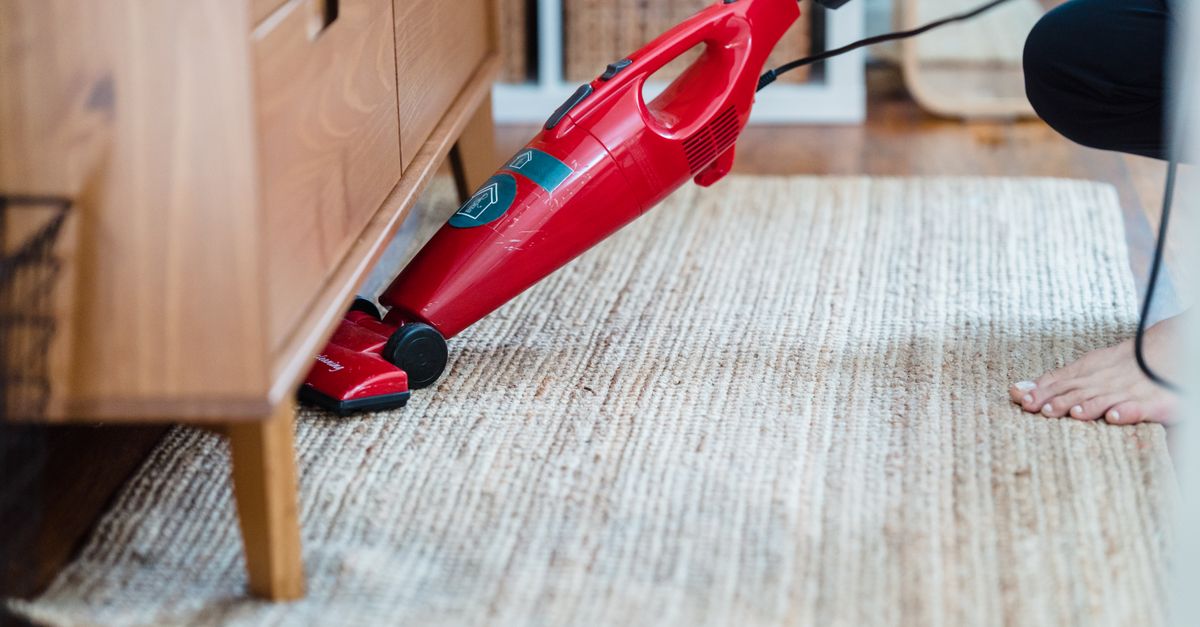
For wool, hand-knotted, or delicate rugs, disengage the rotating brush roller or use a dedicated suction-only floor tool. Motorized beater bars can pull delicate wool tufts, fray fringes, and cause excessive wear. A smooth wand attachment with soft natural bristles allows strong suction to pull loose dust without abrading the pile surface.
When vacuuming, guide the tool slowly across the rug in the direction of the pile rather than scrubbing back and forth. You can identify pile direction by smoothing your hand over the surface: one direction feels smooth, while the opposite feels resistant. Working in harmony with the natural lay of the fibers allows airflow to draw dust out freely.
For sturdy woven rugs, periodic back-dusting at home helps dislodge deeper soil. Turn the rug face down on a clean hard floor and gently vacuum the reverse side using suction only. The light vibration encourages packed sand to fall out of the foundation onto the floor. Afterward, roll back the rug, sweep up the dislodged grit, and vacuum the top surface to lift any loosened residue.
Homeowner Mistakes to Avoid with Dusty Rugs
When dealing with persistent desert dust, well-meaning cleaning attempts can sometimes cause accidental damage. Avoiding these common errors protects rugs from unnecessary harm.
- Adding Water to a Dusty Rug: Never attempt to spot-clean a heavily dusted rug with liquid cleaners before thoroughly removing dry soil. Introducing moisture to fine red sand creates mud within the foundation, binding mineral residue tightly into the weave.
- Using Rental Carpet Extractors: Rental machines saturate textiles with water and detergent, but their extraction suction is rarely sufficient for dense area rug backings. Lingering moisture in the foundation can lead to dye bleeding, fiber stiffening, and unpleasant odors.
- Aggressively Beating Rugs Outdoors: While hanging a rug and beating it may seem traditional, forceful impacts can snap aged foundation yarns, weaken knots, and fray side bindings.
- Running Vacuums Over Fringe: Rotating brushes can catch and shred delicate fringe tassels in an instant. Always vacuum across the width of the rug, stopping before the edges, and comb fringe gently by hand.
When Professional Dusting and Washing Is Essential
While routine vacuuming manages surface dust, home equipment cannot fully extract dense, packed grit from a rug's foundation. Over twelve to eighteen months in Southern Utah, fine minerals inevitably settle into lower levels of the weave where standard suction cannot reach.
Professional rug care facilities use specialized dry-dusting equipment designed specifically for woven textiles. Before moisture is introduced, gentle harmonic vibration or controlled air currents remove pounds of compacted grit from the foundation. Only after dry abrasive soil is removed does the rug receive an individualized wash tailored to its specific fiber type and dye stability.
If an area rug feels unusually stiff, appears dull despite vacuuming, or releases a plume of fine dust when tapped, it likely holds accumulated desert grit. Scheduling a professional evaluation with St George Rug Cleaning ensures that embedded minerals are safely removed, restoring your rug's natural beauty and protecting it for years to come. By establishing thoughtful home maintenance routines and prioritizing professional washing, protecting area rugs from desert dust ensures your prized home furnishings remain vibrant, durable, and clean for decades.